 |
 |
||
Chimney Sweeps for Sheffield & South Yorkshire |
|||

S.K. Chimney Sweep & Son
Fuel Advice
|
For more fuel advice click the logo above |
Straightforward advice on what wood and coal you should – and shouldn't – burn in your multi-fuel stove, helping you stay safe and warm, improve efficiency, reduce smoke and soot build-up, and avoid unnecessary damage to your chimney, stove, or flue system.
As an experienced chimney sweep, Sam is often asked the question:
“Can I burn anything in my stove or open fire?”
The simple and honest answer is no.
Burning the correct fuel is essential for the safety of your home, the efficiency of your appliance, and the longevity of your chimney. Using the wrong materials can cause excessive soot build-up, chimney fires, harmful emissions, and even carbon monoxide poisoning.
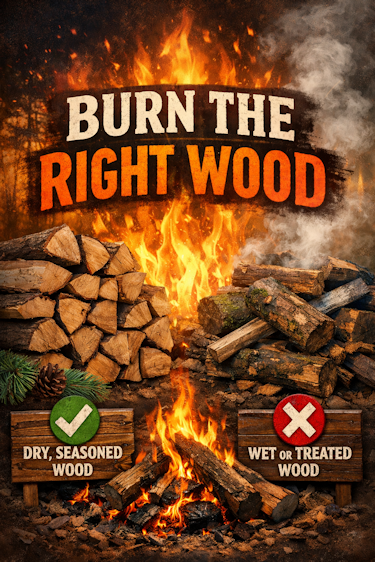 Burn the Right Wood
It always makes sense to burn clean, untreated wood. Wood must never contain contaminants such as plastics, rawlplugs, painted finishes, or treated timber. These materials release toxic gases when burned and significantly increase the risk of chimney fires.
Wood should also be dry, not wet. Burning wet or unseasoned wood creates more smoke and soot, increases air pollution, reduces heat output, and ultimately costs you more money because it burns inefficiently.
Match the Fuel to Your Stove
Always use fuel that is suitable for your specific appliance. For example, never burn coal in a wood-only stove. Each stove is designed to work with particular fuels, and using the wrong one can damage the appliance and invalidate manufacturer warranties. Always follow the stove manufacturer’s instructions.
Never Burn Rubbish
Rubbish should never be burned in a stove or open fire. This includes household waste, packaging, and plastics. Burning rubbish carries a very high risk of chimney fires and releases dangerous gases that can lead to serious health risks, particularly when plastic is involved.
Choosing the Best Wood
Our guide to the best and worst woods can help you understand how different types of wood burn and the heat they produce. For maximum efficiency, wood should always be burned at the correct rate to ensure a clean, hot fire.
It is best practice to use seasoned wood (properly dried), rather than green wood (freshly cut or only a few months old). Fruit trees often produce a pleasant aroma when burned. Oak, however, must be very well seasoned, as burning it too early can produce an acrid smoke.
 |
|
“Always burn wood with a moisture content of 20% or less. Using a moisture meter is a simple and effective way to check before you burn.” |
Coal
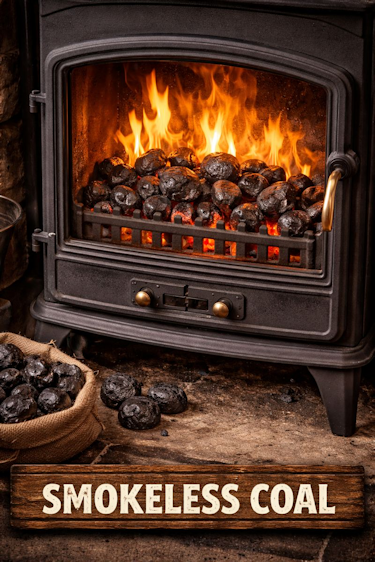 For multi-fuel stoves, only use certified smokeless fuels such as Phurnacite or Homefire. Never burn house coal. House coal burns excessively hot and produces heavy, damaging smoke, which can lead to flue fires, stove damage, blackened glass, and may invalidate the manufacturer’s warranty.
Smokeless fuels are designed to burn cleaner, hotter and for longer. They require air from both above and below, so always use them on a raised grate. Many smokeless briquettes are HETAS and DEFRA approved, making them suitable for use in smoke control areas while delivering efficient, steady heat.
Avoid Burning
House Coal (Bituminous Coal)
Produces thick, volatile smoke that can ignite inside the flue, increasing the risk of chimney fires. It can also warp grates, damage stove glass, and is banned in many areas.
Petroleum-Based Fuels
These fuels can seriously damage your appliance and will almost certainly void your stove warranty.
How to Use Smokeless Coal
Lighting
Start the fire with kindling and firelighters. Once the fire is well established, add the smokeless fuel gradually.
Airflow
Ensure air can reach the fuel from above and below the grate for safe and efficient combustion.
Cleaning
Always allow the fire to go out completely and the stove to cool before emptying ash or cleaning.
Check Local Rules
Confirm whether you are in a smoke control zone and ensure the fuel you are using is approved for that area.
